
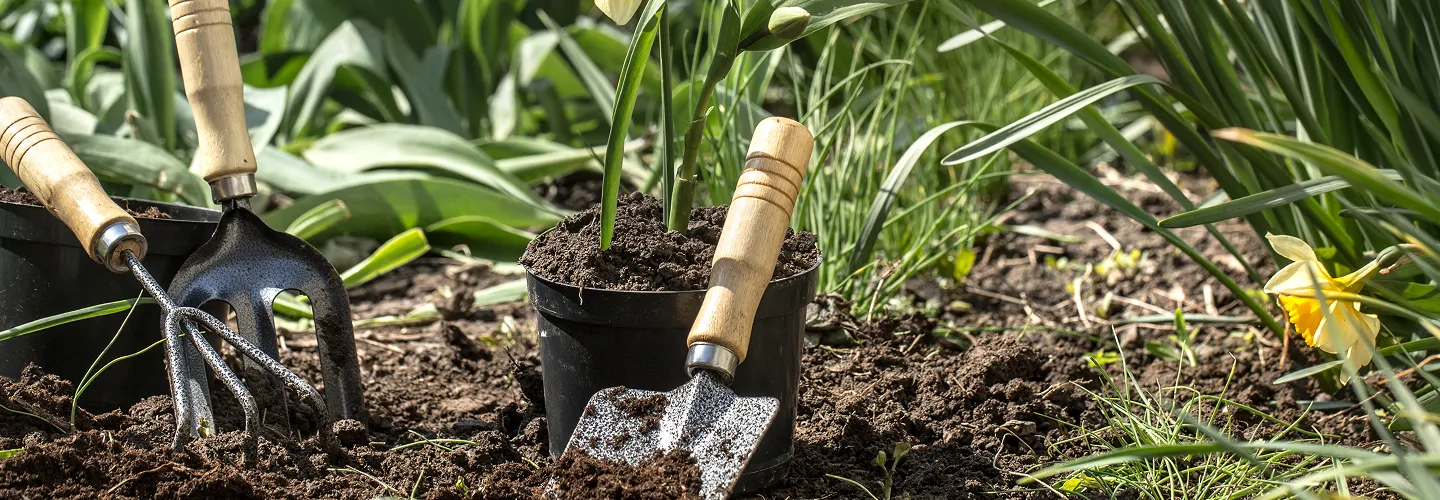
North Haven Weeding Services
Choose our expert weeding services for a healthier, more beautiful landscape—our experienced team uses proven techniques to eliminate weeds and protect your plants, saving you time and ensuring your garden thrives all season long.
Get a Free QuoteOur North Haven Landscaping & Yard Care Services
When to Schedule Weeding in North Haven, Connecticut – Seasonal Guide
In North Haven, Connecticut, the best times to schedule weeding are closely tied to our region’s unique climate and landscape. Early spring, just after the last frost, is ideal for tackling weeds before they establish deep roots. This timing is especially important in neighborhoods near Wharton Brook State Park and along the Quinnipiac River, where soil warms quickly and weed growth can accelerate. Late summer and early fall are also strategic periods, as cooler temperatures and increased rainfall make it easier to remove persistent weeds and prepare your landscape for the next growing season.
Local environmental factors play a significant role in determining the optimal weeding schedule. North Haven’s mix of shaded yards in areas like Clintonville and open, sun-drenched lots near Ridge Road means that weed growth patterns can vary widely. Soil type, ranging from sandy loam to heavier clay, affects both weed resilience and removal techniques. Homeowners should also consider municipal guidelines and seasonal drought risks, which can impact when and how often weeding should occur. For more information on local environmental resources, visit the Sudbury Conservation Commission.
Local Factors to Consider for Weeding in North Haven
- Tree density and shade coverage, especially in established neighborhoods
- Soil composition and drainage, which influence weed growth and removal
- Seasonal precipitation patterns and drought risk
- Proximity to wetlands or water features, such as the Quinnipiac River
- Municipal restrictions or guidelines on landscaping practices
- Terrain and slope, affecting accessibility and erosion risk
Benefits of Weeding in North Haven

Enhanced Curb Appeal
Healthier Plant Growth
Reduced Pest Infestation
Improved Soil Quality
Professional and Reliable Service
Time and Effort Savings
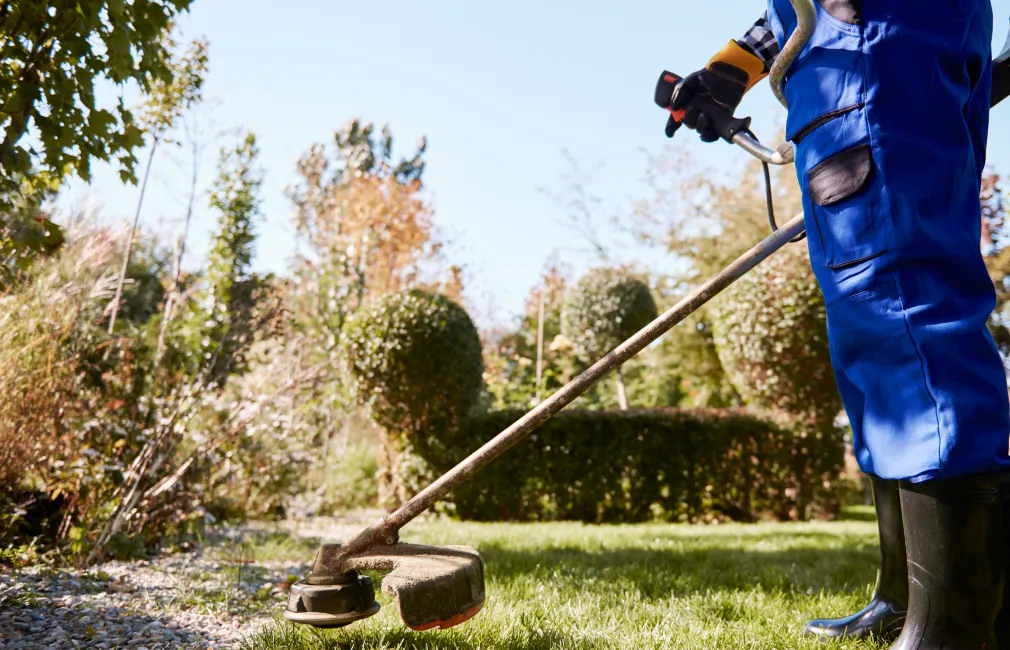
North Haven Weeding Types

Hand Weeding
-
Mechanical Weeding
-
Mulching for Weed Control
-
Pre-Emergent Herbicide Application
-
Post-Emergent Herbicide Application
-
Flame Weeding
-
Soil Solarization
Our Weeding Process
Site Evaluation
Weed Identification
Targeted Removal
Soil Treatment
Final Inspection
Why Choose North Haven Landscape Services
-
North Haven Homeowners Trust Us
-
Expert Lawn Maintenance
-
Reliable Seasonal Cleanups
-
Competitive Pricing
-
Professional Team
-
Satisfaction Guarantee
-
Personalized Service
North Haven’s Glacial Till Soils and Weeding Best Practices
North Haven’s predominant soils, as identified by the USDA Web Soil Survey, are Inceptisols and Ultisols formed from glacial till, often characterized by moderate acidity (pH 5.5–6.5), stony texture, and variable drainage. These conditions require targeted weeding strategies, such as hand-pulling in rocky areas and shallow cultivation to avoid disturbing native soil structure. Soil compaction is common in developed neighborhoods, so aeration to a depth of 2–3 inches is recommended before major weeding efforts. For persistent perennial weeds, mulching with 2–3 inches of organic matter can suppress regrowth. Soil testing is available through UConn Extension for $15–25 per sample, providing guidance on lime or sulfur amendments. Always avoid chemical weed control within 25 feet of wetlands or streams to comply with local buffer regulations.
Municipal Weeding Ordinances and Collection Procedures in North Haven
Weeding activities in North Haven are governed by municipal ordinances that specify debris management and equipment operation. Yard waste, including pulled weeds, is collected weekly on Thursdays from April through November. Residents must use biodegradable paper bags or reusable bins (32-gallon maximum); plastic bags and branches over 4 inches in diameter are prohibited. Equipment operation is permitted:
- Monday–Friday: 7:00 AM – 7:00 PM
- Saturday: 8:00 AM – 6:00 PM
- Sunday and holidays: Prohibited Violations may result in fines under local code. For questions about collection schedules or ordinance compliance:
North Haven Department of Public Works
5 Linsley Street, North Haven, CT 06473
Phone: (203) 239-5321
Official Website: North Haven Department of Public Works
Environmental Compliance: Wetland Buffers and Stormwater Protection in North Haven
Weeding near North Haven’s wetlands, streams, and conservation areas requires strict adherence to buffer regulations. A 25-foot no-disturbance zone is enforced around all designated wetlands, and no herbicide or fertilizer application is permitted within 50 feet of water bodies. The town’s MS4 stormwater permit, regulated under the Clean Water Act and Connecticut Environmental Protection Act, prohibits yard waste or soil from entering storm drains. Residents are encouraged to consult the North Haven Conservation Commission for site-specific guidance:
North Haven Conservation Commission
18 Church Street, North Haven, CT 06473
Phone: (203) 239-5321
Official Website: North Haven Conservation Commission
For additional information on state-level stormwater and wetland compliance, refer to Connecticut Department of Energy and Environmental Protection and EPA Region 1.
Seasonal Timing and Weather Considerations for Weeding in North Haven
North Haven is located in USDA Hardiness Zone 6b, with optimal weeding windows in spring (April 15–May 30) and late summer to early fall (August 20–September 30). Soil temperatures between 50–65°F are ideal for both manual and mechanical weed removal, as root systems are most vulnerable and regrowth is minimized. Avoid weeding during peak summer (June–August) to reduce soil disturbance and erosion risk. Monitor local weather forecasts through the National Weather Service New York, NY Office to plan around heavy rainfall, which can increase runoff and spread weed seeds. For persistent infestations, schedule follow-up treatments every 2–3 weeks during the growing season.
Professional Standards and Safety Protocols for Weeding Operations in North Haven
All weeding operations in North Haven must adhere to municipal safety and equipment standards. Operators are required to use:
- Eye protection: ANSI Z87.1 safety glasses
- Hearing protection: Earmuffs or plugs for equipment over 85 dB
- Gloves: Cut-resistant for hand weeding, chemical-resistant for herbicide application
- Footwear: Steel-toed, non-slip boots Maintain a 15-foot clearance from overhead utilities and public sidewalks. Commercial-grade tools must be maintained with blade sharpening every 20–25 hours of use. For work near public roads or parks, high-visibility vests are mandatory. The North Haven Parks and Recreation Department provides additional safety guidance for public spaces:
North Haven Parks and Recreation Department
7 Linsley Street, North Haven, CT 06473
Phone: (203) 239-5321
Official Website: North Haven Parks and Recreation Department
What Neighborhoods Do We Serve Throughout North Haven, CT?
- Montowese: Features mature tree canopies and clay-rich soils with moderate drainage, requiring frequent hand weeding and mulching to suppress aggressive perennial weeds.
- Spring Glen: Characterized by older homes, compacted soils, and narrow lots; weed management is complicated by shade and dense root competition from established landscaping.
- Sackett Point: Industrial and commercial properties with fill soils and variable pH; mechanical weeding and soil amendments are often necessary for effective control.
- Clintonville: Residential area with proximity to Quinnipiac River and wetlands, necessitating strict buffer compliance and avoidance of chemical controls near sensitive habitats.
- Northford: Rural edge with larger lots, sandy loam soils, and higher deer pressure; native plantings and deer-resistant species are recommended for sustainable weed suppression.
- Center District: Downtown area with mixed-use zoning, heavy pedestrian traffic, and infrastructure constraints; manual weeding and scheduled debris removal are prioritized for safety and compliance.
- Foxon Road Corridor: Transitional zone with new developments, moderate slopes, and stormwater management features; erosion control and regular monitoring are essential during weeding operations.